Individual Therapy for Adolescents & Young Adults
Evidence-based individual therapy tailored to the developmental needs of adolescents and young adults.
May include:
- Comprehensive DBT
- DBT-informed treatment
- CBT
Harvard-Trained Clinical Psychologist · DBT · CBT
Evidence-based therapy grounded in DBT, CBT, and compassionate, individualized care for adolescents, young adults, families, and parents throughout Massachusetts.
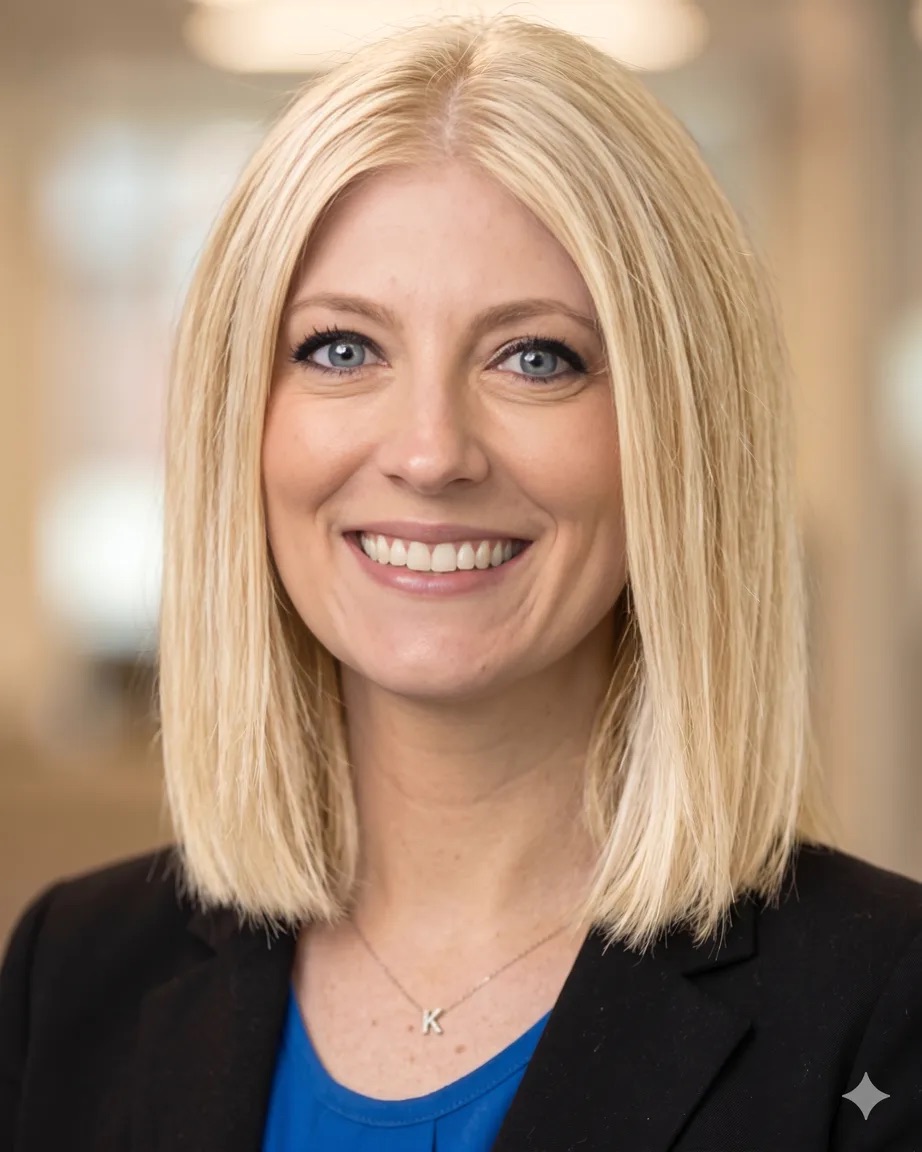
Dr. Kristen Batejan is a Harvard-trained, licensed clinical psychologist with over a decade of clinical experience helping adolescents, young adults, families, and parents.
Her clinical work is grounded in evidence-based treatment, including Dialectical Behavior Therapy (DBT), Cognitive Behavioral Therapy (CBT), and Dialectical Behavior Therapy – Prolonged Exposure (DBT PE). She brings a calm and collaborative style to helping young people and families understand patterns, reduce risk, and build more effective ways of coping.
Dr. Batejan is affiliated with McLean Hospital and Harvard Medical School.
This private practice is separate from Dr. Batejan's roles at McLean Hospital and Harvard Medical School.
Services
Treatment is collaborative and evidence-based. Depending on individual needs, Dr. Batejan's services include:
Evidence-based individual therapy tailored to the developmental needs of adolescents and young adults.
May include:
May include:
Support for parents navigating emotional regulation challenges, behavioral concerns, family conflict, and parenting sensitive children.
Professional consultation regarding treatment planning, care coordination, referrals, and treatment recommendations.
Fit
Dr. Batejan may be a good fit for adolescents, young adults, families, and parents seeking evidence-based outpatient therapy for concerns such as:
Important
Outpatient therapy may not be the right level of care for every situation. If there are immediate safety concerns, a higher level of care may be more appropriate. An initial consultation can help determine the right next step.
Credentials & Affiliations
Dr. Batejan's clinical training and professional affiliations reflect specialized experience in adolescent and young adult mental health, DBT, self-harm, suicidality, and evidence-based treatment.
Get Started
The form below is the most reliable way to reach Dr. Batejan. You can also email or call directly for non-urgent inquiries.
This website and email are not monitored for emergencies. If you or your child may be in immediate danger, call 911, go to the nearest emergency room, or call/text the Suicide & Crisis Lifeline at 988 if you are in the United States.